
Why are AI-driven spam filters changing SMTP deliverability?
September 3, 2025
Top 10 Cold Email Services for Startups
October 25, 2025
When it comes to email marketing, your sender reputation is like your online trust score. Just like a credit score shows how trustworthy you are with money, your sender reputation shows how trustworthy you are when sending emails. A strong reputation means your emails land in inboxes, while a poor one pushes them into spam folders.
But here’s the challenge, building and protecting sender reputation is not a one-time job. It needs regular care, smart practices, and the right strategies. Every email you send makes an impression. If people open, read, and interact with your messages, your reputation grows stronger. On the other hand, if too many people mark your emails as spam, ignore them, or bounce back, your score takes a hit.
Why is this so important? Because even if you create great content and design beautiful campaigns, they mean nothing if your audience never sees them. That’s why focusing on sender reputation is the foundation of successful email marketing.
In this blog, we’ll explore 10 powerful ways to improve and protect your sender reputation. These practical tips will help you send emails that reach inboxes, connect with your audience, and build long-term trust. Whether you are a small business owner, a marketer, or someone just starting with email campaigns, these strategies will guide you to achieve better results.
So, let’s dive in and learn how you can make your email sender reputation stronger and safeguard it for the future.
Table of Contents
What is Sender Reputation?
Sender reputation is like a score that email service providers give to you based on how trustworthy your emails are. It works just like a credit score, if you have a good score, your emails are delivered to inboxes. If your score is bad, your emails may end up in the spam folder or may not get delivered at all.
This score is built over time and depends on how you send emails and how people react to them. For example, if many people open your emails, click on links, and rarely mark them as spam, your reputation grows stronger. On the other hand, if your emails bounce, get ignored, or receive too many spam complaints, your reputation will fall.
Sender reputation is very important because it directly affects your email deliverability. Even the best content will fail if it does not reach your audience’s inbox. That’s why businesses must follow good practices like keeping email lists clean, sending only relevant content, and avoiding spammy subject lines.
Why is Sender Reputation Important?
In email marketing, sender reputation works like your personal trust score. It tells internet service providers (like Gmail, Yahoo, and Outlook) whether you are a reliable sender or not. A good sender reputation means your emails are seen as safe and valuable, while a poor reputation often leads your emails to spam or junk folders. This directly affects how many people actually see your message, especially when using bulk email services to reach a large audience.
1. Inbox Placement
The main reason sender reputation is important is that it decides if your emails reach the inbox. Even well-written and designed emails are useless if they never arrive where your audience can read them.
2. Trust and Engagement
People are more likely to open and engage with emails from senders they trust. A strong reputation builds this trust. When your emails are consistently relevant, safe, and valuable, subscribers open them more often and may even look forward to receiving them.
3. Business Growth
Email marketing service is a powerful tool for sales, promotions, and customer relationships. A poor sender reputation can block your growth because fewer people see your offers. On the other hand, a good reputation increases open rates, click rates, and conversions.
4. Cost-Effectiveness
If your reputation is weak, you may need to spend more money on other channels to reach customers. Protecting your reputation ensures you get maximum return on your email marketing investment.
5. Long-Term Success
Sender reputation is not built overnight; it grows over time with consistent good practices. Once lost, it’s very hard to repair. That’s why protecting it is as important as building it.
In simple words, sender reputation is the backbone of email marketing success. Without it, your campaigns may fail, no matter how creative or well-planned they are. With it, you can enjoy stronger connections, better engagement, and lasting business results.
What factors affect your sender reputation?
Your sender reputation is the key to making sure your emails reach the inbox instead of the spam folder. Internet Service Providers (ISPs) like Gmail, Yahoo, or Outlook check your reputation score every time you send an email through a bulk email service provider. If it’s high, your emails are trusted. If it’s low, your messages may be blocked or filtered. Let’s look at the main factors that affect your sender reputation.
1. Email Engagement
How people interact with your emails matters a lot. If your audience opens, clicks, and replies to your messages, it sends a positive signal. On the other hand, if many people delete your emails without reading or mark them as spam, your reputation drops.
2. Spam Complaints
When too many recipients click “Report Spam,” it damages your reputation quickly. Even a small spam complaint rate can hurt your email delivery.
3. Bounce Rate
Bounced emails happen when you send to invalid or fake addresses. A high bounce rate tells ISPs that your mailing list is not clean, which lowers trust.
4. Sending Volume
Sudden spikes in the number of emails you send can look suspicious. ISPs prefer a steady and consistent sending pattern.
5. Blacklists
If your IP or domain is added to a blacklist due to bad practices, it will severely harm your reputation and email deliverability.
6. Spam Traps
These are special email addresses set up by ISPs to catch spammers. Sending emails to spam traps means your list is not well-maintained, which damages your reputation.
7. Domain and IP History
The past behavior of your sending domain and IP also matters. If you’ve had issues before, it may take time to rebuild trust.
8. Email Content
Your subject lines, words, and formatting also play a role. Misleading subject lines or spammy content can trigger filters and lower your score.
What are the risks of having a bad sender reputation?
Your sender reputation is very important in email marketing. It is like your scorecard that tells email service providers if they should trust you or not. A good reputation means your emails reach the inbox. But a bad reputation creates many problems for your business. Let’s look at the major risks of having a poor sender reputation.
1. Emails Going to Spam
The biggest risk of a bad sender reputation is that your emails will land in the spam folder instead of the inbox. This means even if you spend time and money creating good content, your audience may never see it.
2. Lower Email Deliverability
Email providers may block or filter your emails if your reputation is low. This reduces your deliverability rate, and fewer people will receive your messages.
3. Loss of Customer’s Trust
When your emails do not reach properly or go to spam, your subscribers may feel you are not professional or trustworthy. This can damage your brand image and make customers lose interest.
4. Reduced Sales and Engagement
If your emails don’t reach the right people, you cannot promote your products or services effectively. This directly impacts your sales, conversions, and customer engagement.
5. Higher Chances of Blacklisting
With a poor sender reputation, your domain or IP address can be blacklisted. Once blacklisted, it becomes very difficult to send emails, and even your SMTP Service Provider may face delivery issues. You may need to spend extra effort and money to fix it and restore your sending reputation.
6. Waste of Marketing Efforts
Bad sender reputation means your campaigns won’t perform well, no matter how creative or valuable they are. Your time, money, and resources will be wasted.
10 Ways to Improve and Protect Your Sender Reputation
Your sender reputation decides if your emails land in the inbox or get lost in the spam folder. A strong reputation means more people see, open, and trust your emails. To help you maintain it, here are 10 simple but powerful ways:
1. Use a Verified Domain
One of the most important steps to improve your sender reputation is using a verified domain. Instead of sending emails from free addresses like Gmail or Yahoo, always use your business domain (for example: info@yourbusiness.com). This shows that your emails are professional and trustworthy.
But having a business domain is not enough, you also need to verify it. This is done by setting up records like SPF (Sender Policy Framework), DKIM (DomainKeys Identified Mail), and DMARC (Domain-based Message Authentication, Reporting & Conformance). These may sound technical, but they work in the background to confirm that your emails are really coming from you, not from spammers pretending to be you.
When your domain is verified, email service providers like Gmail, Outlook, and Yahoo trust your messages more. Verified domains reduce the chances of your emails being flagged as spam. They also improve deliverability, meaning more of your emails will reach the inbox instead of the junk folder.
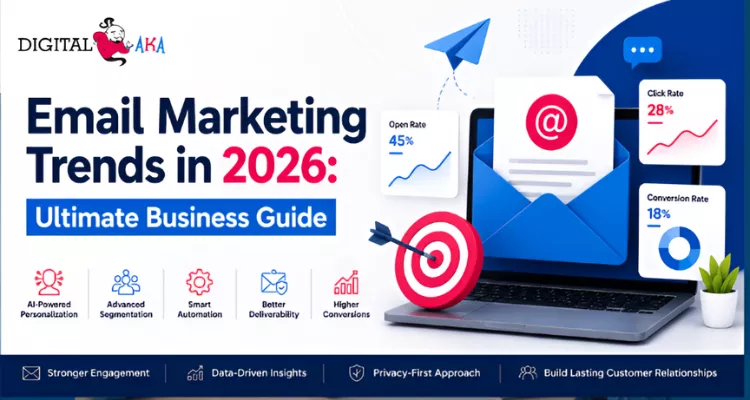
Read More: Why are AI-driven spam filters changing SMTP deliverability?
2. Keep Your Email List Clean
One of the most important steps to protect your sender reputation is keeping your email list clean. An email list that is full of fake, inactive, or outdated addresses can hurt your performance and make you look untrustworthy to email providers.
When you send emails to invalid or unused addresses, they bounce back. A high bounce rate signals to Gmail, Yahoo, or Outlook that you are not managing your list properly. This can lower your reputation and push your future emails into the spam folder.
The solution is to regularly review and update your list. Remove addresses that bounce repeatedly, and unsubscribe people who have not engaged with your emails for a long time. You can also use email verification tools to check if addresses are valid before adding them to your list.
Another smart step is to use double opt-in. This means when someone signs up, they confirm their email through a verification link. This ensures the person really wants to hear from you and reduces fake sign-ups.
By keeping your email list clean, you improve deliverability, reduce spam complaints, and make sure your messages reach people who actually want them.
Read more: Email Marketing vs. Social Media Marketing: Which Works Better?
3. Get Permission First
One of the most important rules for protecting your sender reputation is to always get permission before sending emails. This means you should only email people who have agreed to hear from you. When someone signs up through a form on your website, subscribes to your newsletter, or gives their email for updates, it shows clear permission. This process is called opt-in.
Why is this important? Because sending emails to people who never asked for them increases the chance of your emails being marked as spam. Even if your content is valuable, people who did not agree to receive it may feel annoyed. High spam complaints can quickly damage your sender reputation and reduce your deliverability.
Buying or renting email lists may seem like a quick way to grow, but it often does more harm than good. Many of those email addresses may be fake, inactive, or belong to people who don’t know you. Sending them puts your emails at risk of being blocked.
By getting permission first, you build a quality list of subscribers who actually want your emails. This improves open rates, reduces complaints, and strengthens trust. A permission-based approach is the safest path to long-term success in email marketing.
Read More: Privacy-First Email Campaigns- Rules and Protect Emails with SMTP
4. Send Relevant Content
When people find your emails useful, they are more likely to open them, click on links, and engage with your brand. This positive interaction tells email providers that your messages are valuable, which helps your emails reach the inbox instead of the spam folder.
To do this, always understand your audience first. Think about their interests, needs, and problems. For example, if you run an online store, send product updates, offers, or tips that match what they have previously purchased or browsed. If you’re offering services, share helpful guides, case studies, or industry updates.
Personalization is also very important. Use the subscriber’s name, segment your email list, and send content that feels tailored to each group. A student, for example, might need beginner-level information, while a business owner may prefer advanced tips.
Read More: 13 Reasons why your Emails Landing in Spam and How to Stop It
5. Avoid Spam Triggers
One of the most common reasons emails end up in the spam folder is the use of spam trigger words or tactics. Email providers are very smart today, and they scan every subject line and message carefully. If your email looks suspicious, it will be marked as spam, even if your intention was genuine.
To protect your sender reputation, avoid using words or phrases that sound too pushy, fake, or misleading. Examples include “Free!!!,” “Act Now,” “100% Guaranteed,” “Make Money Fast,” and “Risk-Free.” These words were heavily used by spammers in the past, so filters see them as red flags.
Also, don’t overuse capital letters, symbols, or too many exclamation marks. A subject line like “CLICK NOW!!! LIMITED OFFER!!!” looks untrustworthy. Instead, keep your subject lines clear, honest, and professional.
Another important point is to avoid making false promises. If your subject line says something exciting, make sure your email content delivers exactly that. Misleading emails frustrate readers, and many will mark them as spam.
By keeping your subject lines clean, natural, and relevant, you show both email providers and your audience that you are a trustworthy sender. This simple step goes a long way in protecting your sender reputation.
Read More: 20 Email Marketing Mistakes That Are Killing Your Campaigns
6. Monitor Sending Frequency
If you send too many emails in a short time, subscribers may feel overwhelmed and start ignoring your messages or even mark them as spam. On the other hand, if you send emails too rarely, people might forget who you are and lose interest. Both situations can hurt your reputation.
The key is to find the right balance. For example, weekly newsletters or updates work well for many businesses, while some brands may send twice a month. What matters is being consistent and predictable so subscribers know when to expect your emails.
It’s also a good idea to give people choices. You can add a preference center where subscribers select how often they want to hear from you, daily, weekly, or monthly. This gives them control and reduces complaints.
Before changing your frequency, test and track results. Look at open rates, unsubscribe rates, and spam complaints to see what works best for your audience.
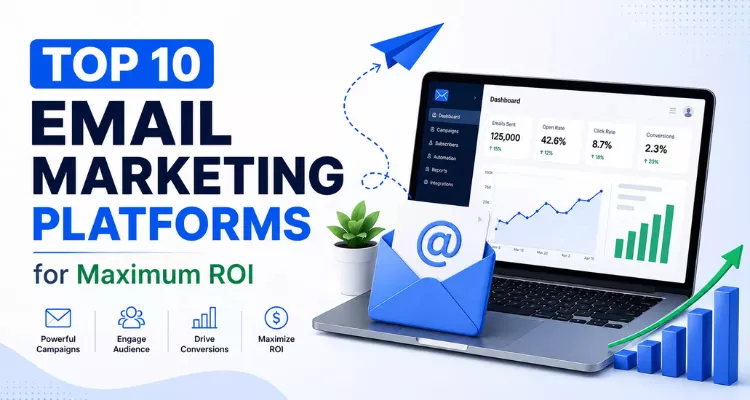
Read More: 12 Best Mass Email Service Providers for Business Owners
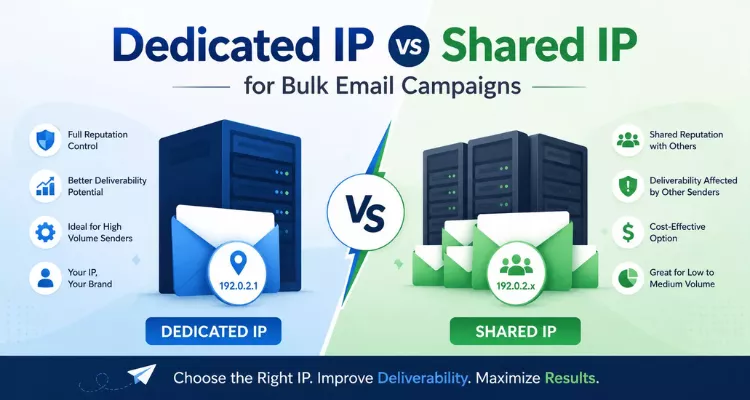
7. Warm Up Your IP Address-
If you are using a new email server or IP address, you cannot start by sending thousands of emails at once. Email providers like Gmail, Yahoo, and Outlook don’t trust new IPs immediately. They need to see if the sender is reliable. This process is called warming up your IP address.
Warming up means slowly increasing the number of emails you send each day. For example, on day one you might send 50–100 emails, on day two increase to 200, then 400, and so on. By doing this, you show email providers that you are a genuine sender and not a spammer.
During the warm-up period, it’s best to send emails to your most active subscribers, the people who always open and engage with your messages. Their positive actions (like opening, clicking, or replying) help build your sender reputation faster.
If you skip this process and send a huge volume from a fresh IP, providers may block or mark your emails as spam. That can damage your reputation right from the start.
Read More: 11 Best Bulk Email Marketing Platforms for Small Businesses
8. Make Unsubscribe Easy
One of the most important ways to protect your sender reputation is to make it easy for people to unsubscribe from your emails. It may sound strange, but allowing people to leave your list willingly actually helps your email campaigns. When people cannot find a clear way to unsubscribe, they may mark your emails as spam. Spam complaints hurt your sender reputation and can make future emails land in the spam folder.
To make unsubscribing simple, always include a clear link at the bottom of every email. Use phrases like “Unsubscribe” or “Manage Your Preferences” that are easy to understand. Avoid hiding the link in tiny text or confusing menus. The easier it is, the better it is for your reputation.
Also, consider offering an option to reduce email frequency instead of fully unsubscribing. Some subscribers may only want fewer emails rather than leaving completely.
Read More: Email Authentication- How This Improves Your Security and Deliverability
9. Track Performance
Tracking your email performance is one of the most important steps to protect and improve your sender reputation. When you send emails, you need to know how people are reacting to them. Are they opening your emails? Clicking on links? Or marking them as spam? These actions directly affect your reputation.
Start by monitoring open rates. This tells you how many people are actually reading your emails. Low open rates may indicate your subject lines are not attractive or your emails are going to spam. Next, watch click-through rates. If people click on your links, it shows they find your content useful and engaging.
Also, keep an eye on bounce rates. A high bounce rate means many emails are not reaching the inbox, which can harm your reputation. Regularly remove bounced or inactive emails from your list.
Finally, track spam complaints. Even a small number of complaints can lower your sender score. If you notice complaints increasing, check your content, frequency, and email list quality.
By tracking these metrics regularly, you can quickly identify problems and fix them. This not only keeps your sender reputation safe but also ensures your emails reach the right people and get the engagement you want.
Read More: Transactional Email vs. Marketing Email: What’s the Real Difference?
10. Use a Reliable Email Service Provider
Choosing a reliable email service provider (ESP) is one of the most important steps to protect your sender reputation. A good ESP helps your emails reach inboxes instead of spam folders. They have strong servers, proper authentication, and tools to monitor your email performance.
A trusted ESP also follows email rules and regulations. This means they help you stay compliant with laws like CAN-SPAM or GDPR. If you try to send large email campaigns without a proper provider, your emails might get blocked, or your domain reputation can be damaged.
Reliable ESPs provide features like analytics and reporting. You can see open rates, click rates, bounce rates, and spam complaints. This helps you understand how your emails are performing and fix any problems quickly.
Many ESPs also help with automation. You can send targeted emails to the right audience at the right time, which increases engagement and reduces spam complaints.
Overall, a trusted ESP acts as a shield for your email reputation. It ensures your emails are delivered safely, keeps your domain secure, and helps you build long-term trust with your audience. Choosing the right provider is not an expense, it’s an investment in your email marketing success.
Read More- B2B vs. B2C Email Deliverability in 2025
Conclusion-
Your sender reputation is the key to successful email marketing. A strong reputation ensures your emails reach inboxes, get noticed, and build trust with your audience. On the other hand, a poor reputation can push your messages to spam, reduce engagement, and hurt your brand.
By following these 10 powerful ways, from using a verified domain and cleaning your email list to sending relevant content, avoiding spam triggers, and monitoring your performance, you can improve and protect your sender reputation effectively. These steps are simple but have a big impact on how email providers and subscribers see you.
Remember, maintaining a good sender reputation is an ongoing effort. Regularly checking your email practices, listening to your audience, and using the right tools will help you stay trusted and reliable.
FAQ-
Sender reputation is a score that shows how trustworthy your emails are. A good reputation helps your emails reach inboxes.
A strong reputation improves email deliverability, engagement, and trust with your audience.
You can use tools like Google Postmaster Tools, SenderScore, or your email service provider’s analytics.
These are email authentication methods that prove your emails are genuine and not spam.
Removing inactive or fake emails reduces bounce rates and spam complaints, protecting your reputation.
No, bought lists can have fake emails and cause spam complaints, which harm your reputation.
Send emails consistently but not too often. Too many emails can annoy subscribers and increase complaints.
Share relevant, useful, and engaging content that your audience wants to read.
High spam complaints lower your score, causing emails to land in spam folders.
Yes, an easy unsubscribe option reduces complaints and builds trust.
Yes, new IPs need warming up by gradually sending emails to build trust with providers.
Misleading or spammy subject lines trigger spam filters and damage your reputation.
Track metrics like open rates, bounce rates, click rates, and spam complaints regularly.
Yes, a reliable provider helps maintain deliverability, compliance, and a good sender reputation.
It can take weeks or months of consistent good practices to build and protect a strong reputation.